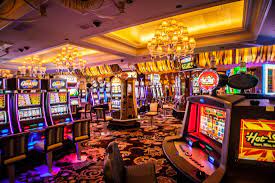
Slot machines are perhaps the most recognizable face of casinos worldwide. Their flashing lights, catchy jingles, and the thrill of spinning reels have made them a staple of gambling shio togel 4d. But slots are far more than just a game of luck—they are a fascinating intersection of technology, psychology, and entertainment.
A Brief History of Slots
The story of slot machines began in the late 19th century. The first true slot machine, called the Liberty Bell, was created in 1895 by Charles Fey in San Francisco. It featured three reels and five symbols, and it quickly captured the public’s imagination. Over time, slots evolved from mechanical devices to electronic machines and, eventually, to the immersive online slots we know today.
Modern slots feature complex graphics, themed storylines, and interactive bonus rounds, transforming a simple game of chance into a highly engaging experience.
How Slots Work
At the heart of every slot machine is a Random Number Generator (RNG). This software ensures that every spin is independent and unpredictable, making it impossible to “cheat” or predict outcomes. While the result of each spin is random, the design of the game itself is carefully engineered to be enjoyable and rewarding.
Key elements include:
- Paylines and ways to win: Modern slots can have dozens of paylines or hundreds of “ways” to match symbols.
- Volatility and RTP: Volatility determines how often and how big wins are, while RTP (Return to Player) represents the percentage of money returned to players over time.
- Bonus features: Free spins, mini-games, and jackpots add excitement and encourage engagement.
The Psychology Behind Slots
Slot machines are designed to be engaging on multiple levels. The combination of visual stimulation, sound effects, and random rewards triggers a psychological response that keeps players coming back. Some of the key factors include:
- Near misses: Seeing symbols almost line up creates anticipation and excitement.
- Variable rewards: Randomized outcomes make every spin unpredictable, which can be more stimulating than predictable rewards.
- Sensory engagement: Bright colors, sounds, and animations heighten the experience and reinforce the feeling of fun.
Understanding these factors is important for responsible play, helping players enjoy the thrill of slots without overindulging.
Slots Today and Tomorrow
The digital era has transformed slot machines, particularly with the rise of online casinos. Players can access thousands of games from anywhere, exploring a variety of themes from ancient civilizations to popular movies. Progressive jackpots allow players to compete for life-changing prizes, while interactive features make online slots more engaging than ever.
Future trends suggest even more innovation, including virtual reality slots, AI-driven game personalization, and hybrid skill-based games that combine chance with interactive challenges.
Responsible Slot Play
While slots are entertaining, they can be addictive if not approached responsibly. Practical tips include:
- Setting a budget and sticking to it.
- Viewing slots as entertainment, not a source of income.
- Taking breaks and avoiding extended sessions.
Conclusion
Slot machines are much more than a game of luck—they are a masterclass in design, probability, and human psychology. From their humble mechanical beginnings to today’s digital marvels, slots continue to captivate players with their combination of thrill, chance, and innovation. Played responsibly, they offer an exciting and enjoyable experience that has stood the test of time.